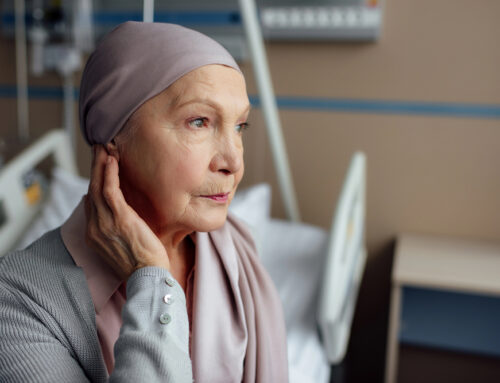


Caregiving during cancer is often described as an act of strength, but what is less often acknowledged is the silent accumulation of emotional load that comes with it. Over time, constant vigilance, decision-making, and emotional support can reshape a caregiver’s own sense of balance. Burnout doesn’t arrive suddenly—it builds quietly in the background of love and responsibility. Understanding this process is the first step in learning how to care for yourself while still showing up for someone else.
What Is Caregiver Burnout and Why Does It Happen?
Caregiver burnout is a state of physical, emotional, and mental exhaustion that develops when someone is caring for a loved one over an extended period without enough recovery time. It is not simply feeling tired—it is a gradual depletion of internal resources that support patience, clarity, and emotional stability.
What is often overlooked is that burnout is shaped not only by tasks, but by emotional proximity. When you are deeply connected to the person you are caring for, every change in their condition can be felt intensely in your own nervous system. Over time, this constant emotional attunement, combined with responsibility and uncertainty, can quietly overwhelm the body’s ability to reset and recover.
How to Cope With Caregiver Stress During Cancer Treatment
Coping with caregiver stress often begins with recognizing that your nervous system is continuously responding to another person’s medical journey. One less discussed aspect is that caregivers can enter a state of “constant alert,” where even quiet moments feel mentally occupied by what might happen next. Creating intentional pauses during the day—short breaks where nothing is required of you—can help interrupt this cycle.
Another important factor is reducing decision fatigue. Caregiving often involves endless choices, from appointments to medications, which can quietly drain mental energy. Simplifying routines where possible and allowing certain tasks to be “good enough” rather than perfect can help restore a sense of steadiness during ongoing treatment.
Caregiver Burnout Symptoms: What to Watch For Early
- Emotional numbness that replaces emotional intensity
One of the earliest signs of burnout is not always sadness—it can be emotional flattening. Caregivers may notice they feel “less” in response to situations that once felt deeply emotional. This is often the nervous system’s way of conserving energy after prolonged stress exposure. - Subtle irritability in low-stakes situations
Small frustrations, like delays or minor disruptions, may begin to feel disproportionately overwhelming. This is often overlooked because it is easy to attribute it to a “bad day,” rather than recognizing it as accumulated stress. - Persistent mental background noise
Even during rest, the mind may stay active with caregiving-related thoughts. What is less commonly recognized is that this ongoing mental load can exist even in silence or sleep, reducing true recovery time. - Difficulty switching off responsibility mode
Caregivers may find it hard to fully relax, even when nothing urgent is happening. The body remains in a low-level state of alert, as if waiting for the next need to arise. - Changes in sleep quality rather than just sleep quantity
Sleep may still occur, but it becomes lighter, more fragmented, or less restorative. This often shows up before obvious exhaustion becomes noticeable. - Reduced emotional responsiveness to personal life
Interest in hobbies, social connection, or personal needs may begin to fade. This is often misinterpreted as “being too busy,” when it can actually signal emotional depletion. - Increased reliance on control or rigid routines
Some caregivers cope by tightening control over schedules or tasks. While this may feel stabilizing at first, it can become mentally exhausting over time. - Physical fatigue that does not improve with rest
A key early indicator is tiredness that persists even after sleep or breaks. This suggests that recovery systems in the body are not fully resetting due to ongoing stress load. - Emotional rebound after brief moments of relief
After a short break or good moment, caregivers may feel a sudden emotional drop. This fluctuation often reflects the contrast between sustained stress and temporary release.
Supporting a Loved One with Cancer Without Losing Yourself
Supporting someone with cancer often becomes an all-encompassing role, where personal identity quietly shifts into caregiver identity. One less discussed challenge is how easily a caregiver can begin to measure their worth solely through how much they are doing for the other person. This can slowly disconnect them from their own needs and emotional signals.
A helpful shift is recognizing that presence does not always require action. Simply being available, without constantly fixing or managing, can create space for both people to breathe. Another important factor is maintaining small personal anchors—simple routines or moments that belong only to you. These anchors help preserve a sense of self, even within a deeply shared and emotionally intense experience.
Self-Care for Caregivers of Cancer Patients (Without Guilt)
Self-care for caregivers is often misunderstood as taking time away from responsibility, when in reality it is what allows responsibility to continue over time. One less discussed aspect is that guilt often arises because rest feels “unearned” during periods of crisis. However, the nervous system does not function well under constant output without recovery.
Even brief moments of self-care—like quiet sitting, a walk, or uninterrupted breathing—help regulate stress responses that accumulate throughout the day. These practices are not separate from caregiving; they directly influence how steady and present you can remain. Reframing self-care as part of the caregiving role itself can reduce internal resistance and make it easier to sustain.
The Hidden Impact of Caregiver Burnout on Families
Caregiver burnout rarely affects only one person—it subtly shifts the emotional atmosphere of the entire household. One less discussed effect is how unspoken stress can change communication patterns, making conversations shorter, more task-focused, or emotionally muted. Over time, this can create distance even when everyone is physically present.
Another hidden impact is role compression, where one person gradually absorbs multiple responsibilities, reducing shared support within the family. This can lead to quiet resentment or emotional withdrawal that is not always openly expressed. Children and other family members may also sense tension without fully understanding its source, which can influence their own sense of safety and stability within the home environment.
Conclusion
Caregiver burnout often develops quietly, shaped by sustained emotional responsibility, constant attention, and the deep desire to support someone you love. Recognizing its early signs is not about stepping away from care—it is about making care more sustainable for both you and the person you are supporting. When caregivers are supported, the entire care environment becomes more stable and grounded.
If you are feeling overwhelmed or want guidance on maintaining your wellbeing while caring for a loved one, we invite you to visit us or call (877) 789-0707 to schedule an appointment.