

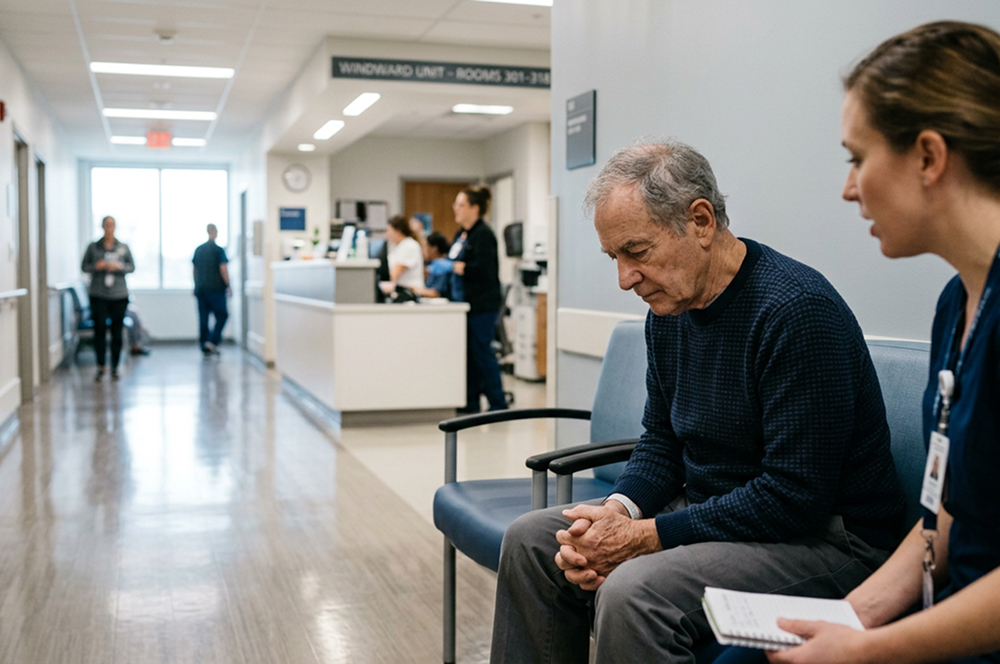
Cancer-related fatigue is one of the most common and persistent symptoms reported during and after cancer treatment, and some patients use bio-oxidative infusion therapy as a complementary option alongside their conventional treatment plan to help support overall energy and wellness. Bio-oxidative therapy is not a treatment for cancer itself and is not a substitute for chemotherapy, radiation, or surgery; it is used as supportive care, and research into its specific effects on fatigue is still emerging rather than conclusive. At Forsythe Cancer Care Center in Reno, NV, bio-oxidative infusions are offered as one option within a broader, physician-coordinated supportive care plan.
What Causes Cancer-Related Fatigue in the First Place?
Cancer-related fatigue is different from ordinary tiredness. It often doesn’t improve significantly with rest and can be driven by a combination of factors, including the cancer itself, chemotherapy or radiation side effects, anemia, sleep disruption, and the metabolic demands of the body fighting disease. Research shows that this type of fatigue is one of the most frequently reported quality-of-life concerns among cancer patients, yet it’s also one of the least discussed compared to symptoms like nausea or pain. Understanding that fatigue has multiple overlapping causes is part of why a single intervention rarely resolves it completely, and why supportive strategies are often layered rather than singular.
What Is Bio-Oxidative Therapy, and How Is It Used for Supportive Care?
Bio-oxidative infusion therapy generally refers to intravenous approaches, such as certain oxygen-based or nutrient infusions, that some integrative providers use to support cellular function and overall wellness during cancer treatment. It is administered under medical supervision alongside a patient’s conventional oncology care, not as a replacement for it. Patients considering this option should understand that it is categorized as complementary support, and that clinical research specifically on its effect on cancer-related fatigue is still developing, with more evidence needed before firm conclusions can be drawn.
What Does Current Research Say About Bio-Oxidative Approaches and Fatigue?
Emerging research suggests that supportive infusion therapies may play a role in how some patients experience energy levels during treatment, though study sizes in this area remain limited and results are not yet considered definitive. This is an important distinction: interest and clinical use have grown faster than the volume of large-scale controlled trials, which is common across many supportive oncology therapies, not unique to bio-oxidative infusions specifically. Patients should treat this as a complementary option worth discussing with their care team, not a guaranteed fix for fatigue.
How Does Bio-Oxidative Therapy Compare to Other Fatigue Support Options?
Cancer-related fatigue is typically addressed through a combination of strategies rather than any single therapy:
| Approach | What It Targets | Evidence Level |
|---|---|---|
| Bio-oxidative infusions | Cellular support, overall wellness | Emerging, limited large-scale data |
| Nutritional support | Addressing deficiencies, maintaining strength | Well established for general supportive care |
| Stress management coaching | Sleep quality, nervous system regulation | Growing evidence base |
| Physical activity as tolerated | Energy regulation, mood | Well established in oncology supportive care literature |
| Anemia management | Direct physiological cause of fatigue | Well established, managed by primary oncology team |
The most effective approach for most patients tends to combine several of these strategies, coordinated with their primary oncologist, rather than relying on one therapy in isolation.
Expert Insights
The care team at Forsythe Cancer Care Center notes that patients often expect a single infusion to resolve fatigue quickly, when in practice, supportive therapies tend to work best as part of a broader plan built around nutrition, sleep, and stress management.
In the care team’s experience, patients who track their fatigue patterns, noting which days feel worse and why, are able to have far more productive conversations about which combination of supportive therapies might genuinely help.
The care team at Forsythe Cancer Care Center also observes that fatigue is frequently under-reported by patients who assume it’s simply an unavoidable part of treatment, when in fact it’s one of the most common reasons patients seek a supportive or integrative consultation once they realize other options exist.
Extended FAQ
Does bio-oxidative therapy treat cancer? No. Bio-oxidative infusion therapy is used as complementary supportive care and is not a treatment for cancer itself. It does not replace chemotherapy, radiation, surgery, or any treatment plan set by a patient’s primary oncologist.
How soon might someone notice a difference in energy after bio-oxidative therapy? This varies significantly by individual, and current research does not support making specific promises about timeline or degree of improvement. Patients should discuss realistic expectations directly with their care team before starting any supportive infusion therapy.
Is bio-oxidative therapy safe to use during active chemotherapy? This depends on a patient’s specific treatment regimen and overall health status, which is why bio-oxidative infusions are coordinated with a patient’s full treatment plan and, when appropriate, discussed with their primary oncology team before starting.
What’s the difference between bio-oxidative therapy and standard IV nutrient support? The two overlap in delivery method but differ in specific composition and mechanism. Bio-oxidative approaches typically focus on oxygen-based or oxidative support mechanisms, while general IV nutrient infusions focus on replenishing specific vitamins, minerals, or fluids. Both fall under supportive, not curative, care.
Can lifestyle changes alone address cancer-related fatigue? For some patients, sleep hygiene, nutrition, and light physical activity meaningfully improve fatigue on their own. For others, fatigue has multiple contributing causes and benefits from a combined approach. This is best evaluated individually with your care team.
Who is a good candidate for bio-oxidative infusion therapy? Candidacy depends on a patient’s diagnosis, current treatment plan, and overall health status. It is not appropriate for every patient, which is why it’s offered following a full review of medical history and in coordination with a patient’s primary oncologist.
Conclusion
Cancer-related fatigue rarely has a single cause or a single solution, and bio-oxidative infusion therapy is best understood as one complementary option within a broader supportive care plan, not a standalone fix. Forsythe Cancer Care Center in Reno, NV evaluates each patient individually to determine whether this or other supportive therapies make sense alongside their existing oncology treatment. To discuss options for managing fatigue during treatment, call (775) 827-0707 to schedule a consultation.
This content is for educational purposes only and does not constitute medical advice. It is not a substitute for professional medical consultation, diagnosis, or treatment, and does not replace the relationship between a patient and their physician or oncology care team. Bio-oxidative infusion therapy is a complementary supportive care option and is not a treatment for cancer.