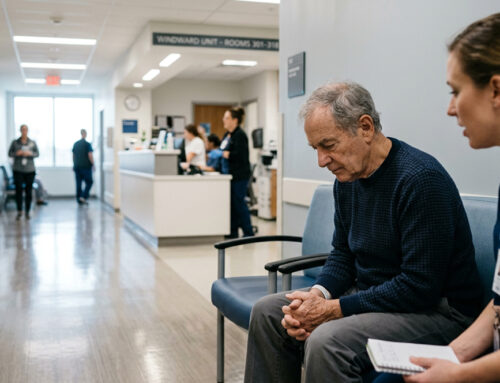


A cancer diagnosis rarely comes with a single obvious next step, and many patients accept the first treatment plan they are given simply because they don’t realize a second opinion is a normal, expected part of the process. Seeking a second opinion for cancer treatment in Reno, NV does not mean distrusting your current oncologist. It means making sure you have the fullest possible picture before committing to a plan that will shape months or years of your life. Whether you are newly diagnosed, unsure about a recommended treatment, or simply want confirmation that you’re on the right path, understanding how a second opinion actually works removes a lot of the hesitation around asking for one.
Why Do Patients Seek a Second Opinion for Cancer Treatment?
Patients pursue a second opinion for several common reasons, and reassurance is often at the top of the list. A second opinion can confirm that a proposed treatment plan is appropriate, or it can surface additional testing, treatment options, or supportive therapies that were not part of the original conversation.
Other patients seek a second opinion because their cancer type is rare, because they were given a limited amount of time with their original specialist, or because they simply want a provider who is willing to walk through the reasoning behind a recommendation in more depth. None of these reasons imply anything negative about a patient’s current oncologist. In fact, most oncologists expect and welcome patients seeking additional input, particularly before major treatment decisions.
A second opinion can also open the door to integrative options, such as genomic or chemosensitivity testing, that add information to an existing treatment plan rather than replace it.
What Should You Bring to a Second Opinion Appointment?
Coming prepared makes a second opinion appointment far more productive, both for you and for the reviewing physician. Most practices, including those offering integrative second opinions in Reno, will ask for the following:
- Pathology reports and biopsy results, including original slides if possible
- Imaging scans (CT, MRI, PET) and the accompanying radiology reports
- A summary of your current or proposed treatment plan from your primary oncologist
- A list of any medications, supplements, or therapies you are currently using
- Your questions written down in advance, so nothing gets missed during the appointment
Requesting these records ahead of time, rather than the day of your appointment, gives the reviewing provider enough time to prepare a thoughtful, well-informed opinion rather than a rushed one.
What Happens During an Integrative Second Opinion?
An integrative second opinion typically starts with a full review of your existing diagnosis, imaging, and treatment plan. From there, the reviewing team looks for any additional testing or supportive options that may add clarity, such as genomic or chemosensitivity testing, which can offer more individualized information about how a specific tumor may respond to certain treatments.
Clinically, this process is meant to add to the conversation you’re already having with your primary oncologist, not replace it. A second opinion provider should communicate findings back in a way that supports, rather than complicates, your existing care relationship. This is one of the clearest signs of a well-run integrative second opinion program: coordination, not competition, between providers.
How Does a Second Opinion Differ From Switching Oncologists?
A second opinion is a single consultation, not a commitment to change providers. Many patients worry that requesting one will feel disloyal or will complicate their relationship with their current oncologist, but in practice, most second opinions simply add a documented review to the patient’s file, which their original oncologist can reference if helpful.
Switching oncologists is a separate decision entirely, and one that some patients do make after a second opinion, but it is not the goal or expectation of the process. Most patients who seek a second opinion continue with their original treatment team, often with added confidence or a few additional questions answered.
How Long Does It Take to Get a Second Opinion in Reno?
Timelines vary depending on how quickly medical records can be gathered and transferred, but most second opinion appointments can be scheduled within one to two weeks once records are available. For patients facing time-sensitive treatment decisions, it is worth communicating urgency directly when scheduling, since many practices can prioritize records review for patients who need a faster turnaround.
Research shows that patients who feel they had adequate time to understand their options tend to report more confidence in their treatment decisions, which is one reason many providers encourage seeking a second opinion earlier in the diagnostic process rather than after a treatment plan is already underway.
Conclusion
A second opinion is not a step you take because something is wrong with your current care, it is a step you take to make sure you have the fullest possible picture before moving forward. For patients in Reno, an integrative second opinion can add genomic testing, additional treatment context, and supportive options to an existing plan, always working alongside your primary oncology team rather than in place of it. Forsythe Cancer Care Center offers integrative second opinions for patients across Reno and beyond. To schedule a consultation, call (775) 827-0707.
Frequently Asked Questions
Will getting a second opinion upset my oncologist?
Most oncologists expect and welcome second opinions, especially before major treatment decisions like surgery, chemotherapy, or radiation. Seeking additional input is a routine part of cancer care, not a sign of distrust, and a well-run second opinion process should keep your primary oncologist informed throughout.
Does insurance cover a second opinion for cancer treatment?
Many insurance plans do cover second opinions, particularly for a new cancer diagnosis or before a major procedure, though coverage details vary by insurer and plan. Patients should confirm coverage directly with their insurance provider before scheduling an appointment.
What is the difference between a standard and an integrative second opinion?
A standard second opinion typically reviews your diagnosis and proposed treatment plan from a conventional oncology perspective. An integrative second opinion includes that same review while also considering complementary options, such as genomic testing or supportive therapies, that may add to your existing plan.
How do I request my medical records for a second opinion?
You can request copies of your pathology reports, imaging, and treatment summary directly from your current oncologist’s office, usually through a medical records release form. Most practices can transfer records electronically to the second opinion provider once the request is submitted.
Can a second opinion change my treatment plan?
A second opinion may confirm your current plan, suggest additional testing, or offer a different perspective on treatment options. Any changes to your actual treatment plan should be made in direct coordination with your primary oncologist, who continues to lead your overall care.