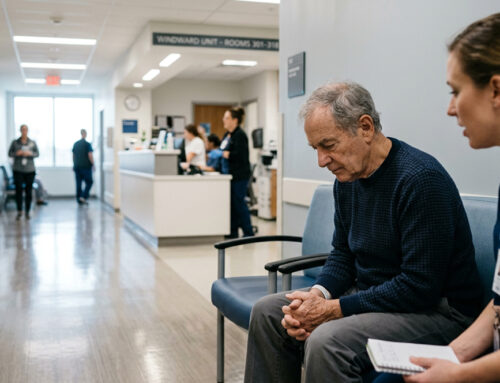


Most people searching for cancer care in Reno already have an oncologist. What they are often looking for is something else entirely: a way to support their body through treatment, make sense of a growing list of options, or simply feel less like a diagnosis and more like a person. That is the gap integrative oncology is built to fill. Rather than replacing conventional treatment, it works alongside it, adding genomic insight, lower-impact therapies, and whole-body support to a patient’s existing care plan. In Reno, Forsythe Cancer Care Center has built its practice around this exact model. Understanding what integrative oncology actually involves, and what it does not, makes it much easier to decide whether it belongs in your own care plan.
What Does Integrative Oncology Actually Mean?
Integrative oncology combines conventional cancer treatment, such as chemotherapy, surgery, or radiation managed by a patient’s primary oncology team, with complementary therapies designed to support the body, manage side effects, and address quality of life during and after treatment. It is not an alternative to conventional care, and no reputable integrative practice presents it as one.
The term gets used loosely online, which creates confusion. Some people assume it means replacing chemotherapy with supplements or diet changes. In practice, most integrative oncology programs, including the model used at Forsythe Cancer Care Center, are built around coordination rather than substitution. A patient continues working with their primary oncologist while adding services such as genomic testing, nutritional support, or lower-dose therapy options that are designed to complement, not compete with, that existing treatment plan.
What often gets overlooked is that integrative oncology is as much about information as it is about therapy. Genomic and chemosensitivity testing, for example, gives patients and their care teams a clearer picture of how a specific tumor may respond to certain treatments, which can inform decisions made in partnership with a primary oncologist rather than in place of one.
What Services Fall Under Integrative Oncology?
Integrative oncology is a broad category, and the specific services offered vary by practice. At Forsythe Cancer Care Center, the model centers on a defined set of complementary services rather than a general wellness approach:
- Genomic and chemosensitivity testing to help identify how a tumor may respond to specific treatment approaches
- Low-dose chemotherapy protocols, including Insulin Potentiated Therapy (IPT), used under physician supervision
- Complementary and homeopathic therapies alongside conventional treatment
- Nutritional and supplement support tailored to a patient’s treatment stage
- Bio-oxidative infusions as a supportive therapy
- Alkaline water therapy
- Stress management and lifestyle coaching
- Integrative second opinions for patients weighing their options
- Supportive and infusion care during active treatment
Each of these is intended to work in coordination with a patient’s existing oncology team, not as a standalone treatment path. Patients considering any of these services should discuss them directly with both their primary oncologist and an integrative care team before starting.
How Is Integrative Oncology Different From Conventional Cancer Treatment?
Conventional oncology, including chemotherapy, radiation, and surgery, targets the cancer directly and remains the standard of care for most diagnoses. Integrative oncology does not aim to replace this. Instead, it typically focuses on three areas conventional treatment does not always address in depth: personalized biological insight, side effect management, and whole-body support.
Genomic and chemosensitivity testing is a good example of where the two approaches intersect rather than compete. This testing does not replace a treatment plan, it adds information a primary oncology team can factor into decisions about that plan. Similarly, low-dose chemotherapy protocols like IPT are not marketed as an alternative to standard-dose chemotherapy; they are one option some patients discuss with their care team when weighing treatment intensity and tolerability, always under physician supervision.
Research shows that patients who feel more informed and supported during cancer treatment often report a better overall experience with care, though this should not be confused with a claim about treatment outcomes or survival. Integrative oncology’s role is largely in this supportive space, working alongside, not instead of, the treatments a patient’s oncology team has recommended.
Who Typically Seeks Out Integrative Oncology?
Patients come to integrative oncology from a few different starting points. Some are newly diagnosed and want a fuller picture of their options before committing to a treatment path. Others are already in active treatment and are looking for ways to manage side effects like fatigue, nausea, or appetite loss. Still others are past active treatment and want ongoing support focused on recovery and long-term wellbeing.
A common thread across all three groups is a desire for a second set of eyes on their care. An integrative second opinion does not challenge a primary oncologist’s recommendations; it reviews the full picture and offers additional context, testing, or supportive options a patient may not have been offered elsewhere. This is often the first service patients use before deciding whether ongoing integrative care makes sense for them.
Family caregivers are also frequently part of this conversation. Many integrative oncology practices, including Forsythe Cancer Care Center, build stress management and lifestyle coaching into their model specifically because cancer treatment affects the entire household, not just the patient.
What Should Patients Ask Before Starting Integrative Oncology?
Not every integrative practice operates the same way, and the differences matter. Before starting any integrative oncology program, patients should ask a few direct questions:
- Will this practice communicate with my primary oncologist, or does it expect me to manage two separate, disconnected care plans?
- Are the therapies offered here presented as complementary, or is there any suggestion that they could replace my current treatment?
- What is the physician oversight for therapies like low-dose chemotherapy or infusion care?
- Is there clinical reasoning or testing behind specific recommendations, or are they generic across all patients?
A practice that welcomes these questions and answers them clearly is generally a good sign. One that discourages communication with a patient’s existing oncology team, or implies that conventional treatment can be skipped, is a serious warning sign and not representative of how integrative oncology is intended to work.
Conclusion
Integrative oncology, done well, is not a replacement for conventional cancer treatment, it is a coordinated addition to it, built around genomic insight, supportive therapies, and whole-body care. For patients in Reno weighing their options, the most useful first step is often an integrative second opinion, which offers a clearer picture without disrupting an existing treatment plan. Forsythe Cancer Care Center works alongside patients’ primary oncology teams to bring these services into a single, coordinated care plan. To learn whether integrative oncology may fit into your own treatment, call (775) 827-0707 to schedule a consultation.
Frequently Asked Questions
Is integrative oncology a replacement for chemotherapy or radiation?
No. Integrative oncology is designed to work alongside conventional treatments like chemotherapy, radiation, and surgery, not replace them. It typically adds services such as genomic testing, nutritional support, and supportive therapies to a patient’s existing treatment plan, always in coordination with their primary oncology team.
What is the difference between integrative oncology and alternative medicine?
Alternative medicine generally refers to therapies used instead of conventional treatment, while integrative oncology combines conventional care with complementary support. This distinction matters clinically. Reputable integrative practices coordinate with a patient’s primary oncologist rather than positioning any therapy as a standalone treatment for cancer itself.
Does insurance cover integrative oncology services in Reno?
Coverage varies widely by insurer, plan, and specific service. Genomic testing and physician-supervised infusion care are more likely to have some coverage pathway than nutritional coaching or homeopathic therapies. Patients should confirm coverage directly with their insurance provider and the practice’s billing team before starting any service.
What is genomic or chemosensitivity testing used for?
Genomic and chemosensitivity testing analyzes a tumor’s biological characteristics to help inform how it may respond to specific treatment approaches. It is used as an additional data point for a patient’s care team, not as a standalone diagnostic or treatment decision on its own.
How do I know if integrative oncology is right for me?
This depends on your diagnosis, current treatment plan, and personal goals for care. An integrative second opinion is often the most useful starting point, since it reviews your full picture and identifies which complementary services, if any, may be worth discussing with your primary oncology team.