

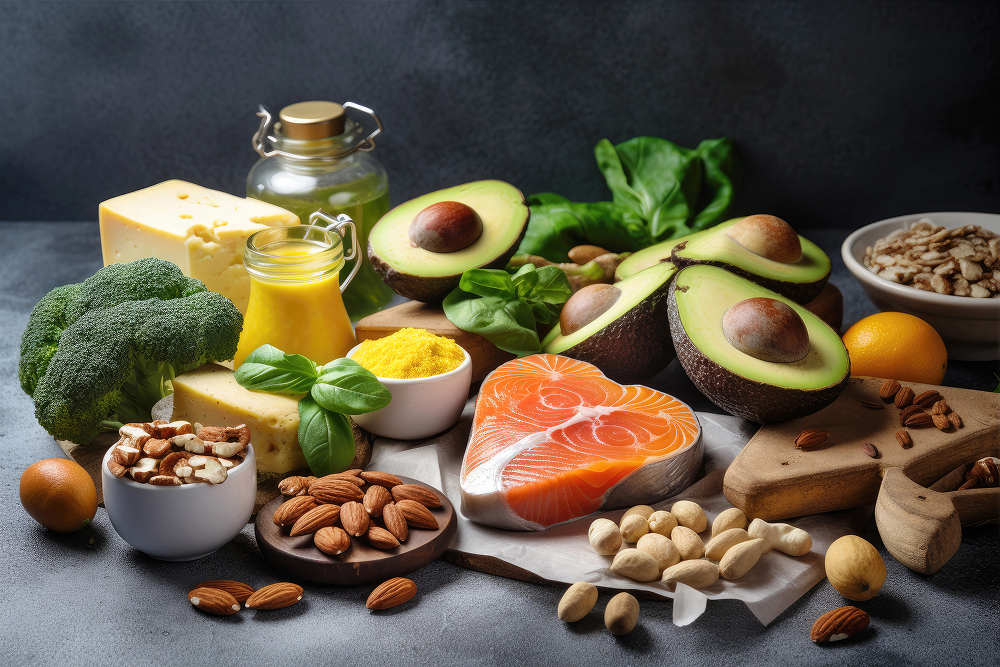
For many patients, the ketogenic diet has become more than a trend—it represents a deeper question about how cancer interacts with metabolism. Instead of focusing only on calories or weight, keto shifts attention to how cells use fuel and what that means in a disease driven by energy demand. This perspective invites a different way of thinking: not just what we eat during cancer care, but how nutrition may influence the internal environment in which cancer exists.
What Is a Ketogenic Diet—and Why Is It Being Studied in Cancer?
A ketogenic diet is a way of eating that is very low in carbohydrates, moderate in protein, and high in healthy fats. This shifts the body into a state called ketosis, where it begins using fat instead of glucose as its main source of energy. While this metabolic shift is often discussed in terms of weight loss or energy stability, its relevance in cancer care comes from a different angle.
Cancer cells often behave differently from normal cells in how they process fuel, frequently relying heavily on glucose. This has led researchers to explore whether changing the body’s primary energy source may subtly influence the tumor environment. What is less often discussed is how this shift may also affect inflammation, insulin signaling, and overall cellular communication patterns.
How Keto Affects Cancer Cells: What the Science Suggests
Research into how a ketogenic diet affects cancer cells often focuses on fuel restriction, but the picture is more layered. When glucose levels drop, the body produces ketones—an alternative energy source that many normal cells can use efficiently. Some cancer cells, however, may struggle to adapt to this shift.
Beyond fuel, keto may influence signaling pathways that regulate growth, stress response, and inflammation. What’s less commonly explored is how this metabolic pressure can change the “behavior” of cancer cells, not just their growth rate. In some cases, it may make cells more vulnerable to treatment or less adaptable to stress, depending on the type of cancer and the patient’s overall metabolic state.
Potential Benefits of a Ketogenic Diet in Cancer Care
- Stabilizing Blood Sugar and Insulin Levels
A ketogenic diet may help reduce constant spikes in blood sugar and insulin, creating a more stable internal environment. What’s less discussed is how this stability can reduce “metabolic noise,” allowing cells to operate with clearer signaling rather than reacting to frequent energy surges and crashes. - Creating Metabolic Pressure on Cancer Cells
By lowering glucose availability, keto may introduce a form of metabolic stress that some cancer cells are less equipped to handle. This doesn’t stop cancer directly, but it may limit how easily certain cells adapt to their environment. - Supporting More Consistent Energy for Patients
Many patients report fewer energy fluctuations when in ketosis. Instead of relying on quick glucose spikes, the body uses fat for a more steady energy supply, which may help reduce fatigue patterns often seen during treatment. - Reducing Inflammatory Signaling
Chronic inflammation plays a role in how cancer progresses. A well-formulated ketogenic diet may help lower inflammatory markers, though this depends heavily on food quality. Less commonly discussed is how inflammation affects not just the tumor, but the surrounding cellular communication. - Influencing the Tumor Microenvironment
The tumor microenvironment includes blood vessels, immune cells, and signaling molecules. Keto may subtly alter this environment by changing nutrient availability and metabolic waste products, which can affect how cancer cells interact with surrounding tissues. - Potential to Enhance Treatment Response
Some emerging research suggests that ketosis may make certain cancer cells more sensitive to treatments. This may be related to how cells handle oxidative stress and energy production under restricted conditions. - Encouraging Greater Nutritional Awareness
Following a ketogenic diet often leads patients to become more intentional about what they eat. This shift in awareness—choosing whole, nutrient-dense foods over processed ones—may have broader effects on overall health beyond ketosis itself. - Promoting Metabolic Flexibility Over Time
Less often discussed is the idea that keto may help the body become more adaptable in how it uses energy. This flexibility can influence how cells respond to stress, fasting periods, or treatment demands.
Risks, Challenges, and Misconceptions About Keto in Cancer Care
While the ketogenic diet shows promise, it is not without challenges. One often overlooked issue is that not all patients are metabolically suited for ketosis, especially those already experiencing weight loss or muscle wasting. In these cases, further restriction can place added stress on the body.
There is also a common misconception that “lower carb is always better,” which can lead to overly restrictive eating and nutrient gaps. Quality matters as much as macronutrient ratios. Another rarely discussed factor is psychological strain—strict diets can create anxiety or a sense of failure during an already difficult time. Keto is not a one-size-fits-all solution, and its effects can vary widely depending on the individual and stage of care.
Integrative Oncology and the Role of the Ketogenic Diet
In integrative oncology, the ketogenic diet is not used in isolation but as part of a broader strategy that considers the whole person. Rather than focusing only on eliminating cancer cells, this approach looks at how the body’s terrain—metabolism, inflammation, and resilience—affects outcomes. Keto may be introduced as a way to support metabolic balance alongside conventional treatments.
What’s less often discussed is how timing and flexibility play a role. Some patients may benefit from periods of ketosis, while others may need to cycle in and out depending on treatment demands, energy levels, or nutritional needs. This makes the approach more adaptive than rigid, aligning diet with the body’s changing condition.
Practical Considerations: What Patients Should Know Before Starting Keto
Starting a ketogenic diet during cancer care requires more than simply cutting carbohydrates. The body is already under stress, so sudden dietary changes can feel like another shock if not introduced carefully. Gradual transitions are often better tolerated, allowing metabolism to adapt without added fatigue.
One detail often overlooked is electrolyte balance. As the body shifts into ketosis, levels of sodium, potassium, and magnesium can change, affecting energy and hydration. It’s also important to consider appetite—some patients may naturally eat less on keto, which can be helpful or harmful depending on their condition. Tracking how the body responds day to day is often more useful than following strict rules.
Conclusion
The ketogenic diet offers a unique perspective in cancer care by shifting the focus toward metabolism and the body’s internal environment. While research continues to evolve, it highlights the idea that nutrition may play a supportive role in how the body responds to both cancer and treatment. At the same time, this approach requires careful consideration, personalization, and ongoing monitoring to ensure it aligns with each patient’s needs.
If you’re exploring whether a ketogenic or integrative approach may be right for you, we invite you to learn more by visiting us or calling (877) 789-0707 to schedule an appointment.